The Art of Winning at Callbreak
Anyone can learn the rules of Callbreak. Winning consistently is where the real challenge begins.
Whether you're trying to improve your bidding, use trump cards more effectively, or outplay experienced opponents, this guide will help you make smarter decisions every round.
Table of Contents
Why Most Players Lose
The Real Game Starts Before the First Card
Mastering the Art of Bidding
Use Your Spades Wisely
Read Your Opponents Like a Detective
Take Control of the Round
Common Mistakes to Avoid
Why Most Players Lose
If you've ever watched someone with an average hand dominate the table while you sat there with three aces wondering what went wrong, this is for you. Callbreak is not won by the cards you're dealt. It's won by the decisions you make.
The best players aren't luckier. They're better at reading situations, managing risk, predicting opponents, and knowing exactly when to use that spade they've been hiding. Most players lose because of four repeating mistakes:
- Overbidding after seeing a strong-looking hand
- Underbidding out of fear, even with strong cards
- Wasting trump cards too early without clear purpose
- Focusing only on their own hand, ignoring everyone else's
Think Beyond Your Own Hand
Average players focus only on the cards in their own hand. Strong players pay equal attention to what their opponents need. Every bid, trick, and discarded card reveals information that can help you make better decisions
The Real Game Starts Before the First Card
Most players think the round begins when the first card hits the table. It doesn't. The round begins the moment you pick up your hand. The decisions you make in those first ten seconds before you bid a single number shape everything that follows.
Before bidding, ask yourself these four questions:
- How many guaranteed tricks do I have?
- How many probable tricks do I have?
- How many spades can rescue me if things go wrong?
- Which suits am I completely weak in?
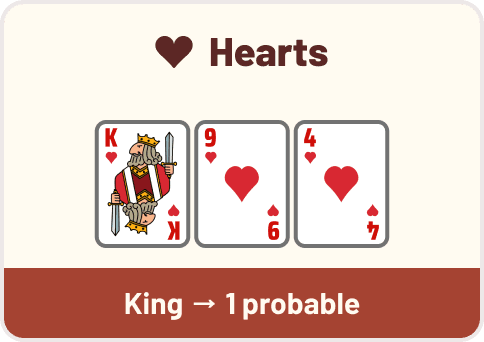
♠ Hand Analysis - Before you Bid.
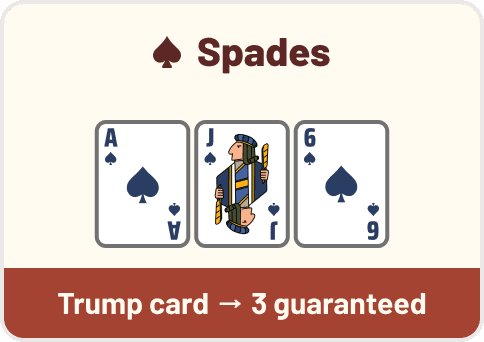

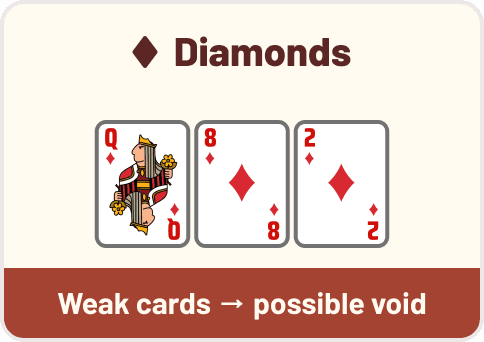
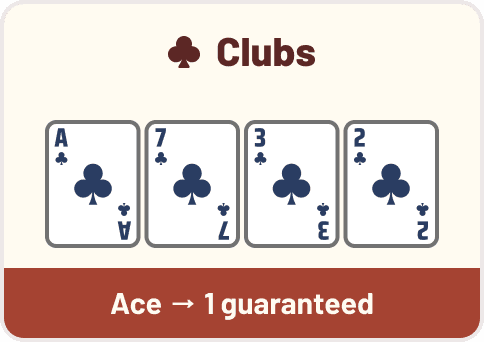
3 spades + 1 club Ace = 4 guaranteed.
King of hearts = 1 probable.
The Queen of diamonds gives no guarantee - do not count it.
Mastering the Art of Bidding
A bad bid can turn a strong hand into a disaster. A smart bid can turn a mediocre hand into a winning round. Accurate bidding is the single highest-leverage skill in Callbreak. Improve this one skill and your win rate improves immediately.
The Classic Overbidding Trap
Player sees four spades and two aces. Immediately bids 6. Three minutes later: "How did I only win 4 tricks?"
Why it happens: They counted every spade as an automatic win without considering that opponents can lead spades early and drain them.
New to Callbreak?
Read our A Beginner's Guide to Callbreak Card Game to understand bidding before applying these advanced strategies.
Use Your Spades Wisely
Many players treat spades like precious family heirlooms. They save them, protect them, and cherish them only to end the round with three unused trump cards. You didn't preserve your spades; you wasted them.
Ask 3 Questions Before Playing a Trump:
- Am I securing my bid? Does this trick get me to my target?
- Am I stopping an opponent? Does this deny a high-bidder a trick they need?
- Am I taking control of the round? Does this give me the lead for the next trick?
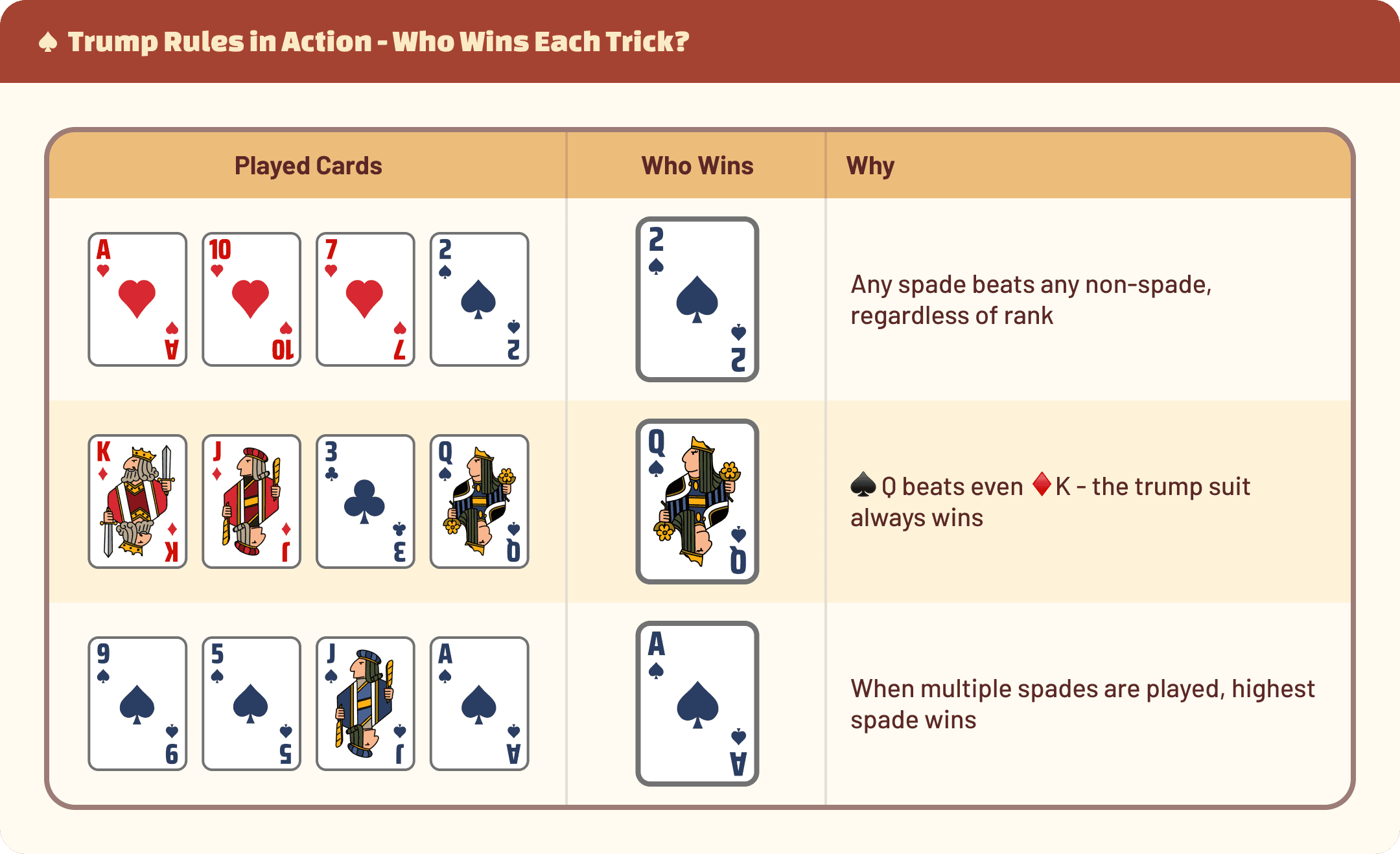
♠ Rescue Spade Rule
Read Your Opponents Like a Detective
Every action at the table is information. When a player cuts with a spade immediately after hearts are led, that tells you something: they probably have no hearts. Store that. Use it later.
What Bids Tell You
Opponents reveal their hand strength through their bids before a single card is played.
Take Control of the Round
Most players simply react to what happens. Strong players try to shape what happens next.
In Callbreak, every trick you win gives you the lead. That means you decide which suit everyone else must follow on the next trick. Used wisely, this can put your opponents in uncomfortable positions and help you work toward your own bid.
When you have the lead, consider these strategies:
- Lead a suit your opponents may be short on, forcing them to make difficult decisions.
- Pressure high bidders by making them play their strong cards earlier than they would like.
- Lead your weakest suit to become void in that suit sooner, giving yourself more opportunities to use trump cards later.
🎯 Strategy Tip
Don't think of the lead as just another turn to play a card. Think of it as your chance to influence the next trick and sometimes the rest of the round.
Common Mistakes to Avoid
1. Chasing Every Trick
Not every trick deserves your attention. Sometimes the smartest play is letting low-value tricks go.
2. Ignoring Opponent Needs
Many players focus only on their own card as if it’s solitaire. Adjust tactics accordingly.
3. Playing Predictably
If opponents know exactly what you’ll do, you’ve already lost an advantage. Mix up your play. Stay difficult and mysterious to read. Tracking cards improves decision-making later in the round.